Journey Through the Land of the Thunder Dragon: A Complete Bhutan Travel Experience
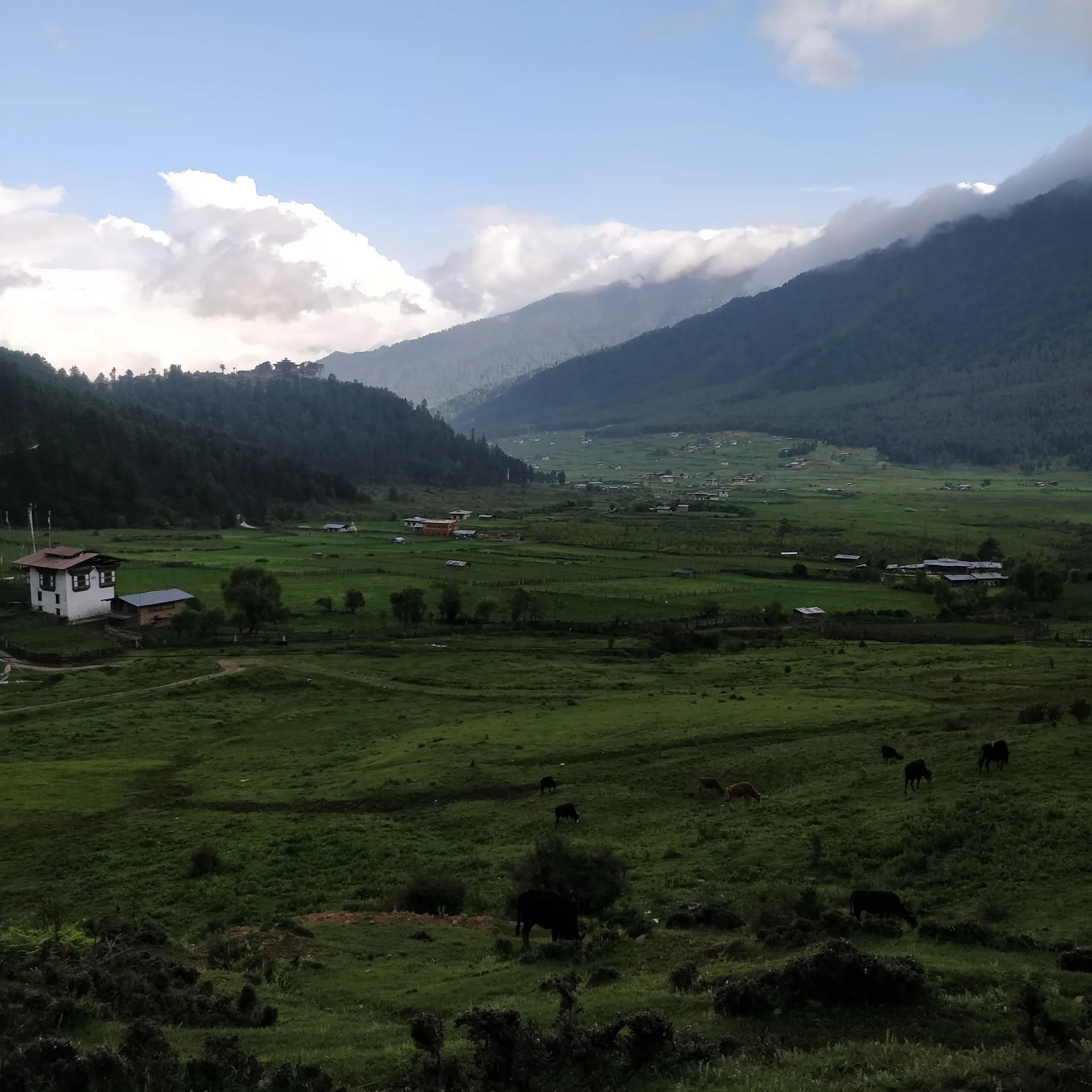
Arriving in the Kingdom of Happiness
Stepping off the Druk Air flight into Paro Valley, you instantly feel a sense of reverence. Prayer flags flutter above emerald hills, and in the distance the sacred Taktsang Lhakhang (Tiger's Nest) clings to a sheer cliff. This is Bhutan, a land that moved cautiously from centuries of isolation to invite curious travelers only a few decades ago.
Even in the airport terminal, smiles and polite nods with the Bhutanese greeting "Kuzu zangpo la" set the tone: Bhutanese people are exceptionally hospitable and compassionate. The narrow roads wind through misty mountains, past Dzongs (fortress monasteries) guarding river confluences, and every turn reveals a new vista. The journey itself is part of the adventure – a testament to Bhutan's principle of slow, mindful travel.
Best Time to Visit
Autumn (September–November) is famed for clear skies and golden valleys, while spring (March–May) brings blooming rhododendrons and festival drums. In winter, rice paddies lie fallow but the famous black-necked cranes arrive in Phobjikha Valley.
Bhutan's Unique Tourism Policy
Bhutan follows a "high value, low impact" policy to protect culture and environment. Every foreign visitor pays a daily tariff (about US$200–$250) that covers guiding, food, lodging, and a contribution to conservation. This policy began when tourism started in 1974 – back then just 287 tourists arrived – ensuring the country's heritage isn't overrun.
Must-See Attractions
Tiger's Nest (Taktsang) – Paro Valley
Bhutan's iconic pilgrimage site. This cliffside monastery perches 900 meters above the valley floor, its red-painted walls and golden roofs catching the sunrise. The hike up is challenging but rewarding.
Punakha Dzong – Punakha Valley
Called the "Palace of Great Happiness," this 17th-century riverside fortress served as the former winter capital. Cross the long suspension bridge to reach this stunning dzong at the confluence of two rivers.
Thimphu – The Capital
Bhutan's modern capital offers a blend of tradition and contemporary life. Visit Tashichho Dzong (government seat) and the giant Buddha Dordenma statue overlooking the valley.
Phobjikha Valley (Gangtey) – Western Bhutan
A glacial valley and winter home to endangered black-necked cranes. Enjoy tranquil hikes and attend the annual crane festival in November.
Dochula Pass – Between Thimphu and Punakha
A mountain pass featuring 108 chortens (stupas) commemorating peace, with panoramic Himalayan views on clear days.
Bumthang Valley – Central Bhutan
The spiritual heartland of Bhutan, home to Jakar Dzong and ancient temples rich in legends and Buddhist relics.
Haa Valley – Southwestern Bhutan
A secluded hidden gem featuring the "White/Black Temples" and nomadic culture – one of Bhutan's most pristine regions.
Festivals, Faith, and National Identity
Bhutan's culture is woven into every aspect of life. Festivals known as Tsechus are exuberant bursts of color and devotion. In dzong courtyards, monks and villagers in traditional kira (women) and gho (men) robes sway to drumbeats.
Over three days, masked dancers in silk costumes enact Buddhist tales and blessings. These sacred dances honor Guru Rinpoche, the saint who brought Buddhism to Bhutan. On the final morning, a giant brocade thangka (scroll painting) is unfurled at dawn – a spectacle visitors never forget.
Major Festivals:
Traditional Dress
Traditional attire remains a source of pride. Men wear the knee-length gho, women the ankle-length kira – both mandatory in offices, temples, and during festivals. The kabney (silk scarf) signals rank: white for ordinary citizens, saffron for the king and chief lama.
Flavors of Bhutanese Cuisine
Gathered around a roaring wood fire in a countryside guesthouse, the aroma of butter tea and chilies fills the air. Bhutanese cuisine is simple, hearty, and spicy.
Must-Try Dishes:
In spring, edible rhododendron blossoms appear, and matsutake mushroom festivals bring mountain villages together in August.
History, Monarchy and Gross National Happiness
Bhutan's monarchy is young by Asian standards – the first hereditary king, Ugyen Wangchuck, was crowned in 1907. The current king, Jigme Khesar, is beloved as a modern yet modest leader.
Key Historical Moments:
Gross National Happiness (GNH)
Introduced by the Fourth King in the 1970s, GNH holds that "gross national happiness is more important than gross national product." Bhutan measures success by citizens' well-being – balancing economic development with culture, governance, and environment.
This manifests in daily life: schools have communal chores, old traditions persist, and the constitution mandates a minimum of 60% forest cover.
Nature, Wildlife, and Conservation
Bhutan's natural beauty is staggering. Towering peaks rise over 7,000 meters in the north, while bamboo forests and rice paddies spread in the south.
Wildlife Highlights:
The World's Only Carbon-Negative Country
Today roughly 72% of Bhutan is forested, making it the planet's only carbon-negative country – its forests absorb far more CO₂ than the nation emits. Conservation isn't just a buzzword; it's enforced policy. Parks cover over half the territory, development projects must account for wildlife corridors, and hunting is generally banned.
Even in cities, green values show: Thimphu has no traffic lights, and streams run clear throughout the country.
Bhutanese Hospitality
Perhaps the greatest treasure of Bhutan is its people. At each stop, visitors are welcomed with authentic warmth. Hosts pour butter tea for cold hands and sit cross-legged to chat over sweets.
Cultural Etiquette:
The Bhutanese smile readily – even a shy nod is met with warmth. Evenings spent in traditional farmhouses, sharing red rice and ema datshi while learning to weave yak-wool fabric, leave deeper impressions than any mountaintop view.
Planning Your Journey
Bhutan offers a world where simplicity is treasured, where happiness is measured in shared smiles and misty dawns rather than dollars. In every prayer flag's flutter and every friendly greeting, you'll discover that Bhutan's greatest wealth lies in its harmony of nature, culture, and community.
Contact Yodsel Tours & Treks to plan your transformative journey through the Land of the Thunder Dragon.
Plan Your Bhutan Adventure
Ready to experience Bhutan? Contact Yodsel Tours & Treks for a customized tour package.